A Campus Designed for Every Learner: DVFS Master Planning Initiative
Client
- Delaware Valley Friends School
Locations
- Paoli, PA
Services Provided
Space
- 50,000 sq. ft.
Cresa Office
client objectives and results
See more success storiesClient Objectives
Delaware Valley Friends School (DVFS) is one of only two Quaker schools in the Delaware Valley dedicated exclusively to educating students with learning differences. Grounded in Quaker values of inclusion, respect, and community, DVFS provides a highly individualized learning environment that supports academic achievement, social growth, and emotional well-being. As the school continued to evolve to meet student needs and programmatic goals, a strategic and carefully managed approach to campus planning and project execution was essential.
This initiative was intended to align DVFS’s physical environment with its educational mission while maintaining continuity of daily school operations. Because the DVFS student population has unique learning and sensory needs, facilities planning must prioritize flexibility, accessibility, safety, and supportive environments. The planning and execution process emphasizes thoughtful coordination, stakeholder engagement, and disciplined oversight to ensure improvements are implemented efficiently and responsibly, with minimal disruption to students and staff. Client Objectives included:
- Develop a comprehensive campus master plan aligned with DVFS’s mission and long-term goals
- Establish a clear project schedule with defined milestones
- Lead and coordinate design engagement with consultants and stakeholders
- Provide detailed project planning to define scope, budget, and execution strategy
- Manage project logistics to minimize disruption and maintain campus safety
- Deliver full project management services, including procurement, schedule, budget, quality, and risk mitigation
- Support grant management programs
- Create and implement a strategic project phasing plan aligned with operational and financial needs
This approach positioned Delaware Valley Friends School to responsibly enhance its campus while continuing to support its students, faculty, and broader community.
Results
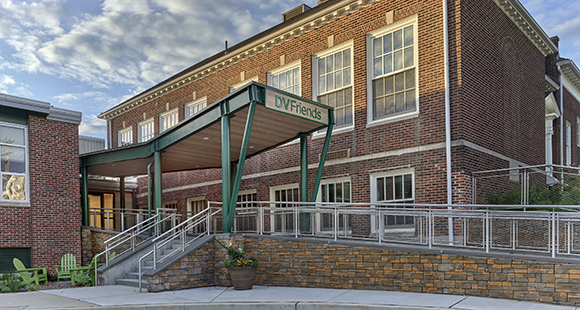
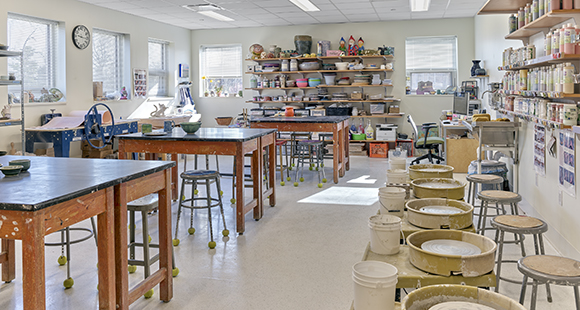
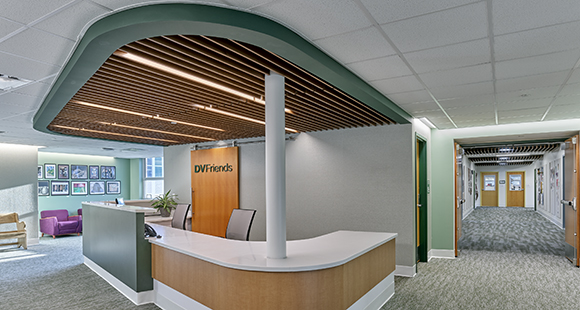
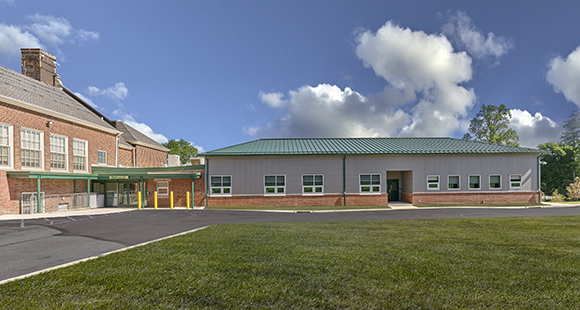
Cresa helped create a comprehensive multi-phase master planning effort which served as the foundation for future campus development. This process assessed existing conditions, educational programming requirements, and long-term growth considerations to establish clear priorities and a realistic roadmap. The resulting multiphase plan comprised of campus wide Storm Water Management, Repaved Parking Lots, new entrance to the school, a 12k sq ft addition containing administrative offices, art classrooms and mechanical spaces, a renovated and expanded lobby, a new commercial grade kitchen, dual walk in freezers, and renovated cafe with outdoor terraced seating. A detailed project schedule with defined milestones provided structure, transparency, and accountability throughout all phases of work.Design engagement was a critical component of the process. Architects, engineers, and consultants worked closely with school leadership and stakeholders to develop solutions and spaces that reflected DVFS’s educational philosophy and needs. This approach that design decisions were well-informed, practical, and aligned with both short and long-term objectives.
Strong project planning, logistics, and management underpinned successful execution. This included coordinating work around the academic calendar which required most of the work to be performed between June and August, managing site access and safety, and maintaining clear communication among all parties. Project procurement was managed to ensure timely acquisition of services and materials in alignment with budget, schedule, and institutional requirements. Ongoing oversight of scope, schedule, budget, and quality allowed for proactive risk management and timely resolution of issues as they arose.
RACP Grant management supported the financial viability of the project by aligning execution with funding requirements. This included identifying funding opportunities, tracking compliance, and providing needed documentation for the reporting obligations, ensuring that grant-supported work was delivered efficiently and in accordance with all requirements.
Related
Success Stories
-
Please Touch Museum
A Historic Site Becomes a Place to Play
157,000 sq. ft.
-
Miami Childrens Museum
An Investment in Their Mission Pays Big Dividends
56,500 sq. ft.
-
Mastery Schools
Ready, Set, Go! … So They Can Learn!
1,300,000 sq. ft.