What Is Tenant Representation in Commercial Real Estate?
What Is Tenant Representation in Commercial Real Estate?
When businesses lease office, industrial, healthcare, manufacturing, or retail space, they’re making one of the most important financial decisions their organization will face. The right lease can support growth, improve operations, and reduce long-term costs. The wrong lease can create unnecessary expenses and limit future flexibility.
That’s why more companies are turning to tenant representation.
Tenant representation is a specialized commercial real estate service that gives businesses an experienced advocate throughout the leasing process. Unlike traditional commercial real estate brokers who may represent both landlords and tenants, a tenant representation professional works exclusively on behalf of the occupier, protecting the tenant’s interests from site selection through lease negotiations and beyond.
For businesses navigating Portland commercial real estate, having an advisor focused solely on your objectives can create a significant competitive advantage.
What Is Tenant Representation?
Tenant representation is a commercial real estate advisory service designed to help businesses make informed leasing decisions.
A tenant representation Portland expert represents only the tenant—not the landlord—and provides strategic guidance throughout every stage of the transaction.
Their role includes:
- Evaluating current and future space needs
- Conducting market research
- Identifying available and off-market opportunities
- Coordinating property tours
- Managing requests for proposals
- Leading lease negotiations
- Reviewing lease language
- Developing long-term occupancy strategies
Rather than simply finding available space, a tenant representative helps ensure your real estate supports your broader business strategy.
Tenant Representation vs. Landlord Representation
One of the biggest misconceptions in commercial real estate is that every broker represents both parties equally.
In reality, landlords hire brokers to maximize the value of their buildings. Their objective is to secure the highest rental rates, minimize concessions, and protect the landlord’s investment.
A tenant representative has the opposite responsibility.
Their objective is to negotiate the most favorable outcome for the business occupying the space.
That includes:
- Lower rental rates
- Larger tenant improvement allowances
- More free rent
- Flexible expansion options
- Renewal protections
- Assignment and sublease rights
- Operating expense protections
Because the interests of landlords and tenants naturally differ, many organizations prefer working with an advisor who exclusively represents occupiers.
Why Portland Businesses Benefit from Tenant Representation
Portland’s commercial real estate market continues to evolve.
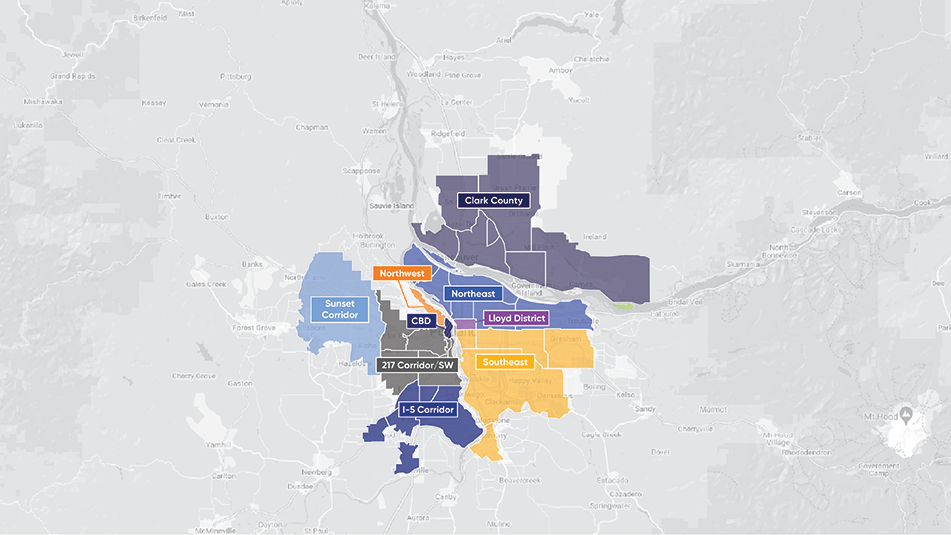
Hybrid work has changed office demand throughout Downtown and the Pearl District. Industrial vacancy remains limited near PDX and major transportation corridors. Healthcare providers continue expanding across the metro area, while manufacturers compete for high-quality industrial facilities.
Each submarket presents different opportunities and challenges.
Without current market intelligence, businesses can easily overpay, lease more space than they need, or agree to terms that reduce future flexibility.
An experienced tenant representation Portland advisor understands these market dynamics and helps businesses evaluate opportunities based on operational needs—not simply what’s available.
Whether you’re relocating your headquarters, opening a new distribution facility, or renewing an existing lease, local market knowledge can have a meaningful impact on both cost and long-term business performance.
The Benefits of Hiring a Tenant Representation Expert
Commercial lease negotiations involve much more than the rental rate.
Every lease includes financial and legal provisions that affect occupancy costs for years to come.
An experienced commercial real estate advisor negotiates issues including:
- Base rental rates
- Tenant improvement allowances
- Free rent periods
- Operating expense caps
- Renewal options
- Expansion rights
- Early termination provisions
- Assignment and sublease language
These terms often create substantially more value than simply negotiating a lower rental rate.
The strongest negotiations begin with market intelligence.
Tenant representatives analyze:
- Comparable lease transactions
- Vacancy trends
- Landlord competition
- New developments
- Market absorption
- Rental rate trends
This information creates leverage by allowing tenants to negotiate from facts rather than assumptions.
For businesses considering commercial leasing in Portland, understanding current market conditions often leads to stronger financial outcomes.
Choosing the right location is about much more than finding available square footage.
The right facility should support your workforce, customers, operations, logistics, and long-term growth strategy.
An experienced advisor evaluates locations based on factors including:
- Employee accessibility
- Transportation infrastructure
- Customer convenience
- Labor availability
- Future expansion potential
- Operational efficiency
Effective site selection ensures your real estate becomes a competitive advantage rather than simply another business expense.
Many businesses assume the rental rate determines the overall cost of a lease.
In reality, occupancy costs include numerous variables, including operating expenses, maintenance obligations, parking costs, tenant improvements, and future escalations.
A tenant representative evaluates the total financial impact of each option, often uncovering significant savings over the life of a lease.
Commercial leases frequently contain provisions that create financial exposure years after signing.
An experienced commercial real estate advisor identifies issues before they become costly surprises, including:
- CAM reconciliations
- Triple-net expense increases
- Capital expenditure obligations
- Restrictive renewal language
- Assignment limitations
- Hidden operating costs
Managing these risks upfront helps businesses avoid unnecessary expenses throughout the lease term.
A Long-Term Occupancy Strategy
The best real estate decisions aren’t made one transaction at a time.
Tenant representatives help organizations think strategically by building flexibility into today’s lease to support tomorrow’s growth.
Whether your company plans to expand, hire additional employees, consolidate locations, or eventually purchase a facility, your lease should support those objectives—not limit them.
The Tenant Representation Process
Every business has different requirements, but most tenant representation engagements follow a similar process.
1. Discovery
The process begins with understanding your business, growth plans, operational requirements, timeline, and budget.
Your advisor researches available properties, analyzes market conditions, and identifies opportunities that align with your goals—including off-market opportunities that may not appear on public listing platforms.
Potential locations are evaluated based on financial, operational, and strategic criteria to determine which properties best support your business.
After identifying preferred locations, your tenant representative creates competition among landlords through requests for proposals and Letters of Intent, helping maximize negotiating leverage.
Once business terms are agreed upon, the lease is reviewed carefully to ensure negotiated provisions are accurately reflected before execution.
The relationship doesn’t end after signing.
Many tenant representatives continue supporting clients with move coordination, project management, lease renewals, portfolio planning, and future expansions.
When Should You Hire a Tenant Representative?
Earlier than you probably think.
Many companies wait until they’re ready to tour properties before involving a tenant representative.
By then, valuable negotiating leverage may already be lost.
Ideally, businesses should engage a tenant representative when they begin asking questions such as:
- Should we renew or relocate?
- How much space do we actually need?
- What neighborhoods should we consider?
- What’s happening in the Portland market?
- How early should we begin negotiations?
Early planning almost always creates better outcomes.
Why Businesses Choose Cresa
Unlike many commercial real estate firms, Cresa exclusively represents occupiers.
That means our only priority is helping tenants make smarter real estate decisions.
Our Portland team combines deep local market knowledge with national resources to help organizations reduce occupancy costs, improve flexibility, and align real estate decisions with broader business objectives.
From office and industrial leasing to healthcare, manufacturing, and retail projects, our advisors help companies develop strategies that support long-term success—not just complete transactions.
Because when your real estate strategy aligns with your business strategy, your workplace becomes a competitive advantage.
Ready to Explore Your Options?
Whether you’re approaching a lease renewal, planning a relocation, expanding operations, or simply evaluating the market, working with an experienced tenant representation advisor can help you make better decisions with greater confidence.
Before signing your next commercial lease, consider partnering with a team that represents only one side of the table—yours.
Contact Cresa’s Portland team to schedule a confidential consultation and discover how strategic tenant representation can help your business reduce costs, increase flexibility, and position itself for long-term growth.
Frequently Asked Questions
What is tenant representation in commercial real estate?
Tenant representation is a commercial real estate service where a broker or advisor exclusively represents the interests of the tenant during the leasing process. They assist with site selection, market analysis, lease negotiations, and long-term real estate planning to help businesses secure the best possible outcome.
How does tenant representation work in Portland?
A tenant representation Portland advisor evaluates your business needs, researches available properties, compares market data, coordinates tours, negotiates lease terms, and helps develop a real estate strategy aligned with your business goals. Their objective is to protect the tenant—not the landlord.
What does a commercial real estate advisor do?
A commercial real estate advisor helps businesses evaluate market conditions, identify available space, negotiate lease terms, reduce occupancy costs, and create long-term real estate strategies. Their role extends well beyond simply finding available properties.
How can tenant representation improve lease negotiations?
Tenant representatives leverage market data and landlord competition to negotiate lower rental rates, larger tenant improvement allowances, additional free rent, expansion rights, and more favorable lease language. These negotiations often reduce occupancy costs throughout the life of the lease.
Why is site selection important?
Effective site selection ensures your facility supports employee recruitment, customer access, logistics, operational efficiency, and future growth. Choosing the right location is one of the most important strategic decisions a business can make.
When should a business hire a tenant representative?
The best time is before beginning the search process. Early involvement provides greater negotiating leverage, better market intelligence, and more strategic options than waiting until properties have already been selected.
Related