Cresa's Portland Office Expands Integrated Real Estate Advisory Capabilities
Why Integrated Real Estate Advisory Matters More Than Ever in the Pacific Northwest
Commercial real estate decisions have become significantly more complex over the past several years. Organizations are navigating shifting workplace expectations, rising construction costs, evolving labor dynamics, supply chain uncertainty, portfolio optimization pressures, and increasingly sophisticated capital planning decisions. For many businesses, healthcare organizations, institutional groups, housing, and industrial operators, real estate is no longer just about finding space. It’s about making strategic decisions that support long-term business performance.
That’s exactly why integrated advisory services matter.
Cresa Portland recently announced its strategic merger with BC Group, bringing one of the Pacific Northwest’s most respected owner’s representation, development, and construction management firms into Cresa Portland’s occupier-focused advisory platform. As Cresa’s Portland office notes, the firm exclusively represents occupiers and provides integrated real estate advisory services for businesses throughout Oregon, Southwest Washington, and beyond.
View the article in Oregon Business Today.
This merger represents more than organizational growth. It reflects where commercial real estate is headed and what clients increasingly need from their advisory partners.
The Commercial Real Estate Landscape Has Changed
A decade ago, many companies approached real estate in clearly separated phases.
One team handled site selection. Another managed lease or purchase negotiations. Project execution happened later with a separate construction consultant. Workplace strategy often entered the conversation after major decisions were already made. That fragmented approach doesn’t work nearly as well anymore. Today, every decision affects the next. Choosing a location impacts labor access. Labor access affects recruiting and retention. Construction costs influence occupancy strategy. Workplace design impacts productivity, collaboration, and long-term operating efficiency. These decisions are interconnected. Clients increasingly need advisors who understand the full picture.Why Occupier-Only Representation Still Matters
One of the defining aspects of Cresa’s model has always been its exclusive focus on occupiers rather than landlords. That distinction matters.
When organizations make major real estate decisions, they need advice that aligns entirely with their interests. That means reducing conflicts, strengthening negotiating leverage, and building strategies around business outcomes instead of transactions. For clients, that translates into more objective recommendations. But strategy doesn’t stop with lease negotiations or acquisitions.Real estate execution is where many organizations encounter their greatest risks.
The Missing Piece: Project Delivery Expertise
Even the strongest real estate strategy can unravel during execution.
Projects often encounter:
-
Efficient design and permitting obstacles
-
Budget overruns
-
Entitlement delays
-
Design coordination issues
-
Contractor communication gaps
-
Schedule slippage
-
Procurement disruptions
-
Unexpected construction conditions
This is where owner’s representation becomes essential.
BC Group has built a respected reputation throughout Oregon and the broader Pacific Northwest for helping clients navigate exactly these challenges. Their expertise in development management, construction oversight, owner’s representation, and capital project leadership has helped organizations successfully execute complex projects across healthcare, housing, industrial, institutional, and corporate sectors.
That experience fills an important strategic gap.
When project delivery expertise sits alongside broader advisory services, clients gain continuity from strategy through execution.
That creates better outcomes.
What This Means for Clients
The combined Cresa Portland platform now offers a deeper and more integrated set of services that align with how organizations actually make decisions.
Instead of working with multiple disconnected advisors, clients can access coordinated expertise across:
-
Transaction management
-
Workplace strategy
-
Project management
-
Owner’s representation
-
Capital planning
-
Site selection
-
Labor analytics
-
Portfolio optimization
-
Development strategy
-
Construction oversight
That matters because commercial real estate rarely exists in silos.
A manufacturer evaluating expansion space may also need labor market intelligence, facility planning input, development feasibility guidance, and project execution oversight. A healthcare community planning a new location may need site strategy, operational alignment, capital budgeting, permitting guidance, and construction management. A corporate occupier rethinking office strategy may need workplace consulting, lease negotiation support, design coordination, and occupancy planning. Integrated advisory makes those conversations simpler, smarter, and faster.Better Coordination Reduces Risk
One of the biggest hidden costs in commercial real estate comes from handoff friction.
A strategy developed in one phase often loses momentum or clarity when passed to a different team.
Assumptions get missed. Timelines shift. Budgets drift. Accountability becomes harder to track. Integrated service platforms reduce that friction. When advisory, planning, and execution teams operate together, communication improves. Decision-making becomes more coordinated. Risk is identified earlier. That can significantly reduce costly surprises.
And in today’s market, avoiding preventable surprises may be just as valuable as finding opportunities.
Why This Matters in the Pacific Northwest
The Pacific Northwest presents unique real estate dynamics.
Portland and surrounding markets continue evolving as organizations reassess hybrid work, industrial growth, healthcare expansion, operational efficiency, and regional talent strategy. Construction costs remain a major consideration. Supply chain unpredictability still affects planning. Occupiers are scrutinizing space utilization more closely than ever. At the same time, capital investments need stronger justification and clearer performance alignment. That environment rewards strategic discipline. Organizations need advisors who understand not only transactions, but also execution realities.The addition of BC Group strengthens that capability meaningfully.
A More Practical Model for Modern Clients
Clients are increasingly asking for fewer handoffs and more accountability.
They want strategic partners who can connect business strategy to physical space, workplace performance, development execution, and long-term portfolio planning. That expectation isn’t going away. The traditional brokerage-only model often leaves important gaps. Likewise, project execution teams brought in too late may inherit avoidable challenges created upstream. An integrated advisory model solves that problem. It brings strategy and execution closer together from the start.That leads to stronger alignment, clearer decision-making, and more measurable business value.
Looking Ahead
Commercial real estate will continue evolving.
Workplace expectations will shift. Construction economics will fluctuate. Operational priorities will change. The organizations that succeed will be the ones making smarter, more connected real estate decisions. That requires more than transactional support. It requires strategic partnership. With the addition of BC Group, Cresa Portland is even better positioned to help occupiers across the Pacific Northwest navigate complex real estate decisions with deeper expertise, stronger execution support, and a truly integrated advisory platform.For organizations looking at their next facility decision, portfolio shift, capital project, or workplace transformation, that’s a meaningful advantage.
Related
posts
-
 Blog
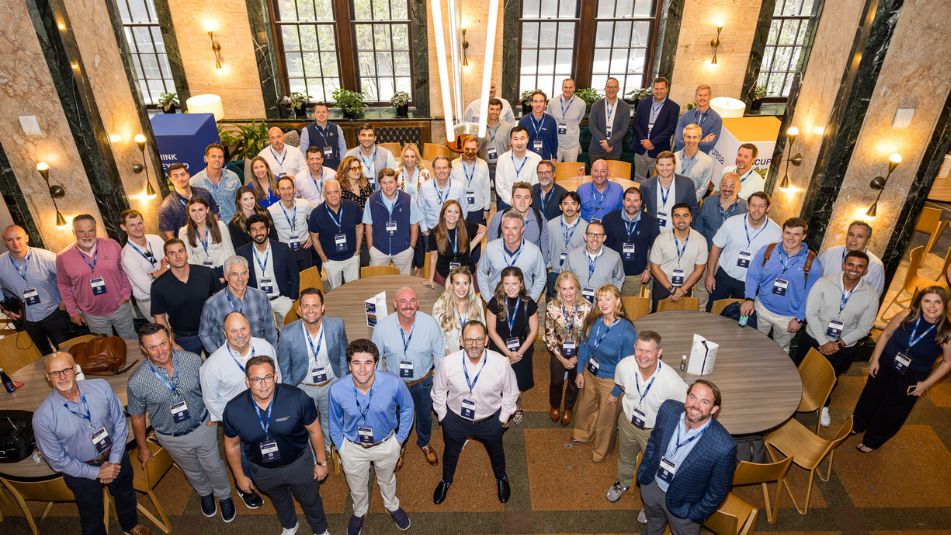
BlogFrom Insight to Impact: 36 Hours at Cresa’s Industrial Conference
Over 110 industrial-focused professionals gathered in Nashville for a day and a half of insight sharing, practical learning, collaboration and relationship-building across Cresa’s growing Industrial Practice Group.
October 16, 2026 -

-